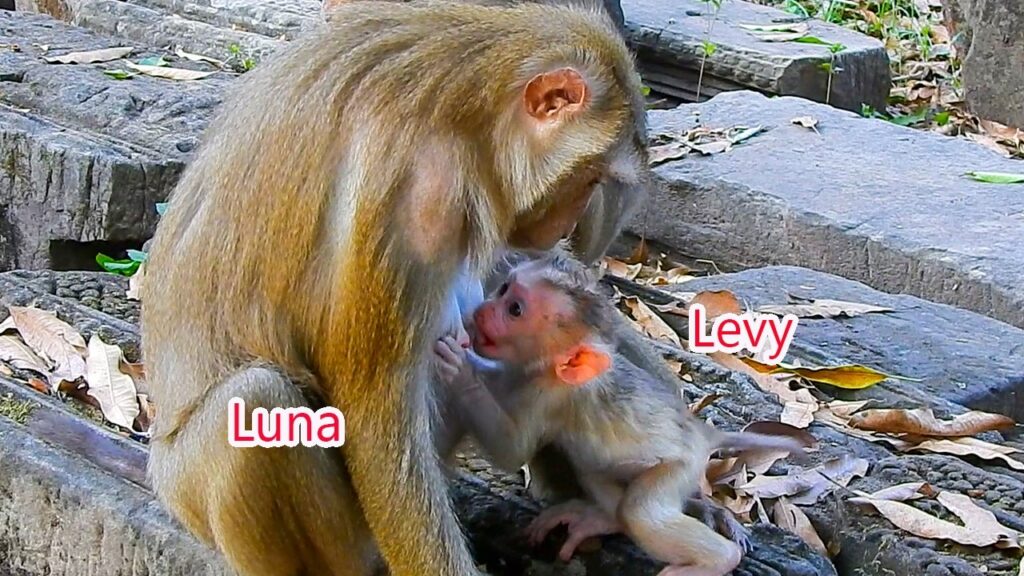
Title: Luna’s Quiet Judgment
Luna never meant for it to become a habit. The first time had been out of necessity—Libby was exhausted, pale from sleepless nights, and Levi wouldn’t stop crying. His tiny body trembled with a kind of fragile urgency that made Luna uneasy. He seemed… weaker than the others. Smaller. Slower. As if the world had already taken too much from him before he had a chance to grow into it.
“Just this once,” Libby had murmured, too tired to argue, placing Levi into Luna’s arms.
But once became twice, and then something unspoken settled between them.
Luna watched Levi differently than the others did. Where Libby saw a child who needed love and patience, Luna saw vulnerability—something that, in her mind, demanded intervention. Strength mattered. It always had. And Levi, with his soft cries and delicate frame, seemed like he might slip through the cracks if someone didn’t step in.
So Luna did.
She told herself it was practical. That she was helping. That Levi needed more than what Libby alone could give. But deep down, her reasoning was sharper, more judgmental than she dared admit aloud: he was weak, and weakness required correction.
When Levi fed, he clung tightly, as if instinctively aware of his own fragility. Luna felt it in the way his fingers curled, in the urgency of his breathing. It stirred something complicated in her—not quite tenderness, not quite control, but something in between.
Libby noticed, of course. She wasn’t blind to the growing pattern, nor to the subtle shift in Luna’s demeanor whenever Levi was involved.
“You don’t have to keep doing this,” Libby said one evening, her voice gentler than the tension in her eyes.
Luna shrugged, avoiding her gaze. “He needs it.”
“He needs me too.”
The words lingered longer than either of them expected.
Luna finally looked down at Levi, now sleeping peacefully against her. For a moment, her certainty wavered. Maybe it wasn’t just about strength or weakness. Maybe it never had been.
But habits, once formed, are hard to break—especially when they’re built on beliefs you’re not ready to question.