Why Newborn Primates Like Baby Levy Are at Risk
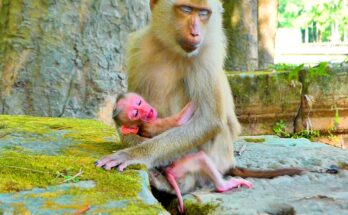
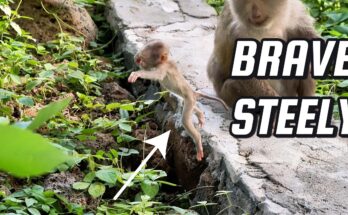
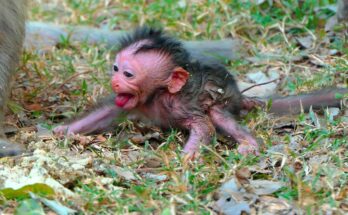
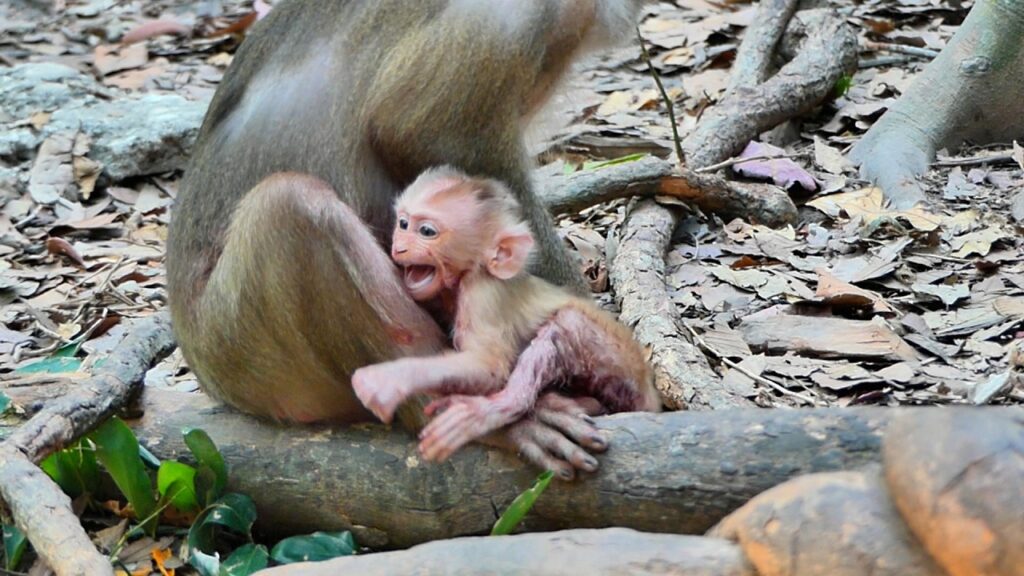
Newborn primates enter the world in a fragile and highly dependent state, making their early days some of the most vulnerable in their lives. Like Baby Levy, many infant primates face a range of risks that can threaten their survival, from environmental challenges to social dynamics within their groups. Understanding these risks helps highlight the delicate balance required for young primates to grow and thrive.
One of the primary dangers newborn primates face is physical vulnerability. Unlike many other animals, primates are born relatively underdeveloped. They rely heavily on their mothers for warmth, nutrition, and protection. If a mother is inexperienced, unwell, or unable to produce enough milk, the infant’s chances of survival decrease significantly. Even a short separation can expose a newborn to cold, hunger, or predators.
Social structure also plays a major role in the risks faced by infants. In some primate groups, competition and hierarchy can lead to aggressive behavior, even toward newborns. Dominant individuals may threaten or harm infants that are not their own, especially in unstable groups or when resources are limited. This can create a stressful environment where mothers must constantly protect their young.
Environmental factors further increase the danger. Habitat loss, food scarcity, and changing climates can make it difficult for mothers to find enough nutrition to support both themselves and their infants. In the wild, even small disruptions can have serious consequences. A weakened mother may struggle to care for her baby, leaving the infant more exposed to illness and malnutrition.
Human activity adds another layer of risk. Deforestation, hunting, and illegal wildlife trade continue to threaten primate populations worldwide. In some cases, infants are separated from their mothers due to human interference, drastically reducing their chances of survival. Even in protected areas, human presence can cause stress that affects maternal care.
Despite these challenges, many primates demonstrate remarkable resilience. Strong maternal bonds, supportive social groups, and stable environments can greatly improve an infant’s chances. By understanding the risks faced by newborn primates like Baby Levy, we can better appreciate the importance of conservation and responsible human behavior in protecting these vulnerable lives.