Wildlife Rescue: Understanding Baby Levy’s Condition Before NGO Help
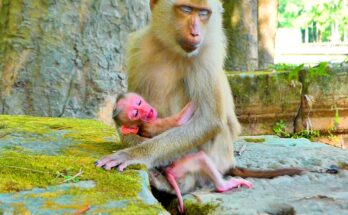
Before the arrival of professional NGO support, Baby Levy’s condition reflected the harsh realities many rescued wild animals face when left without proper care. Found alone and visibly weak, Levy showed clear signs of distress that hinted at both physical and emotional struggles. Understanding these early conditions is crucial to appreciating the importance of timely wildlife intervention.
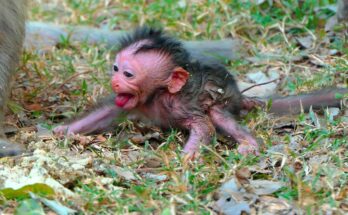
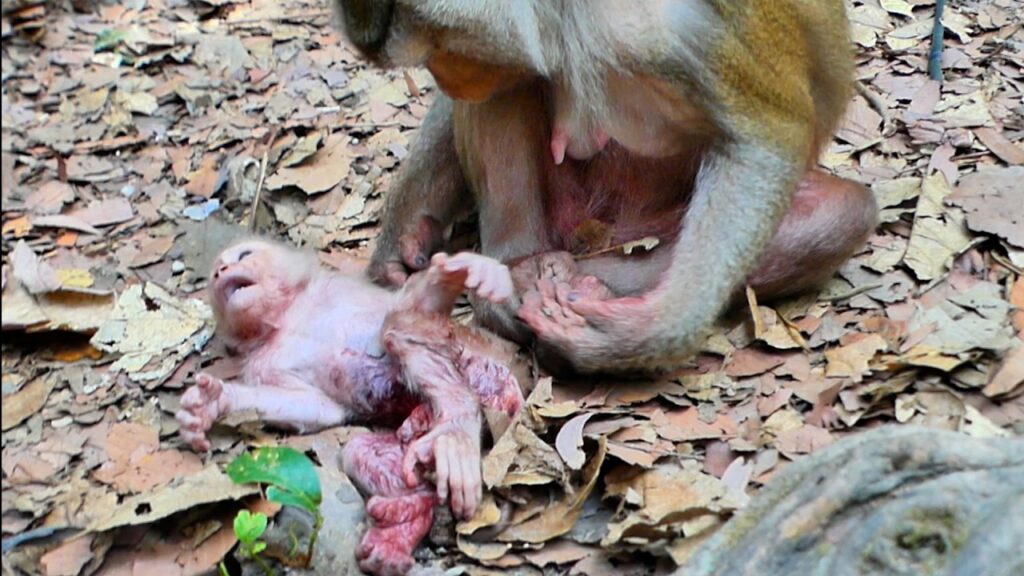
Physically, Baby Levy appeared malnourished. His body was underweight, and his energy levels were dangerously low. This suggested that he had either been separated from his mother too early or had struggled to find sufficient food in the wild. Dehydration may also have been a factor, as young animals are especially vulnerable when access to water is limited. His fur looked unkempt, and there were possible signs of minor injuries or infections, indicating prolonged exposure to an unsafe environment.
Behaviorally, Levy’s actions revealed fear and confusion. He was likely disoriented, which is common in young wildlife that suddenly lose parental protection. Instead of displaying natural curiosity or playfulness, he may have been withdrawn or overly anxious. Such emotional distress can significantly impact an animal’s survival chances if not addressed quickly.
Another important aspect to consider is the risk of disease. Without early medical assessment, conditions such as parasites, infections, or untreated wounds can worsen rapidly. Baby Levy’s weakened immune state would have made him even more susceptible to these threats.
Before NGO intervention, there was little chance for proper rehabilitation. Without expert care, nutrition, and a safe environment, Levy’s survival odds would have remained low. This highlights the critical role wildlife rescue organizations play. Their ability to assess, treat, and nurture animals like Levy can mean the difference between life and death.
In summary, Baby Levy’s initial condition underscores the vulnerability of young wildlife when separated from natural support systems. Recognizing these signs early is essential, as it allows rescuers to act swiftly and give animals like Levy a second chance at life.